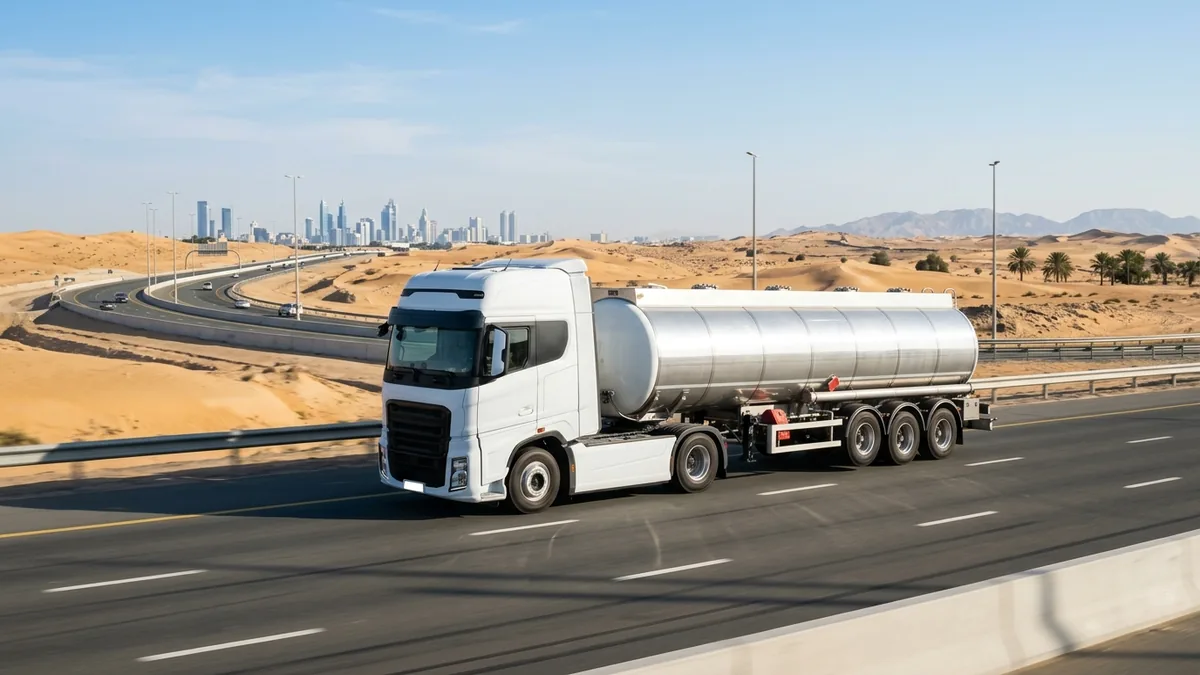
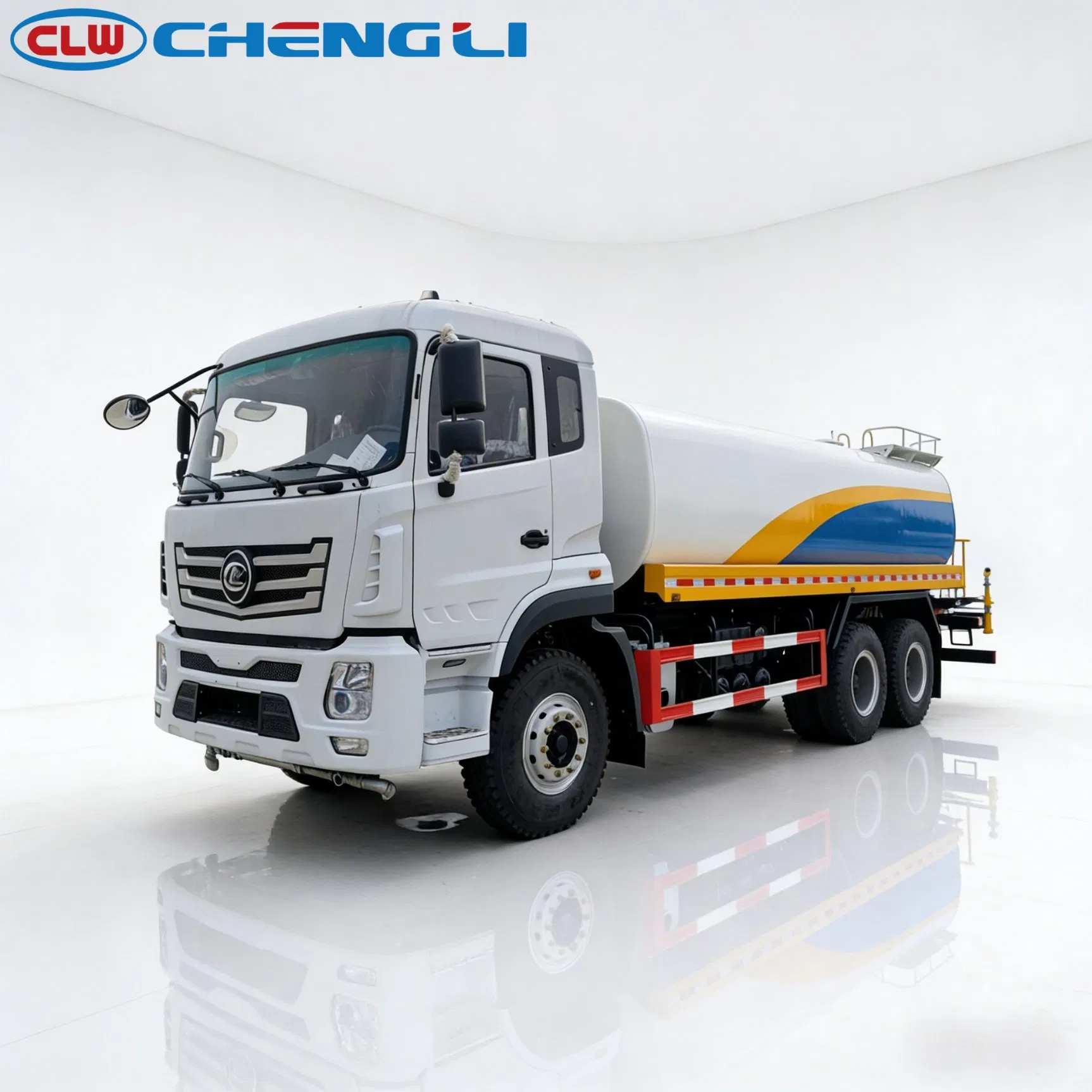
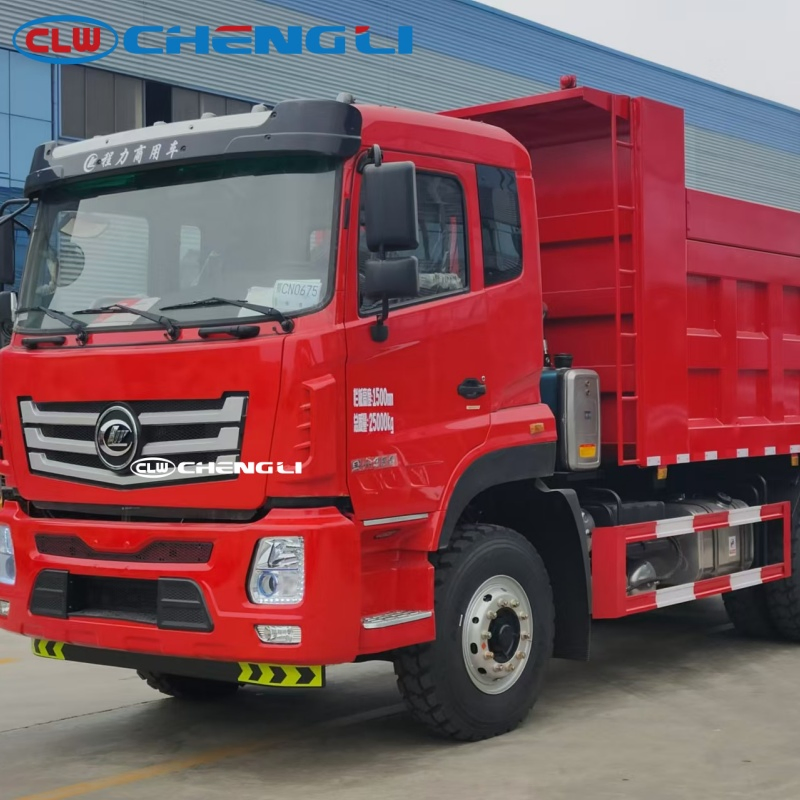
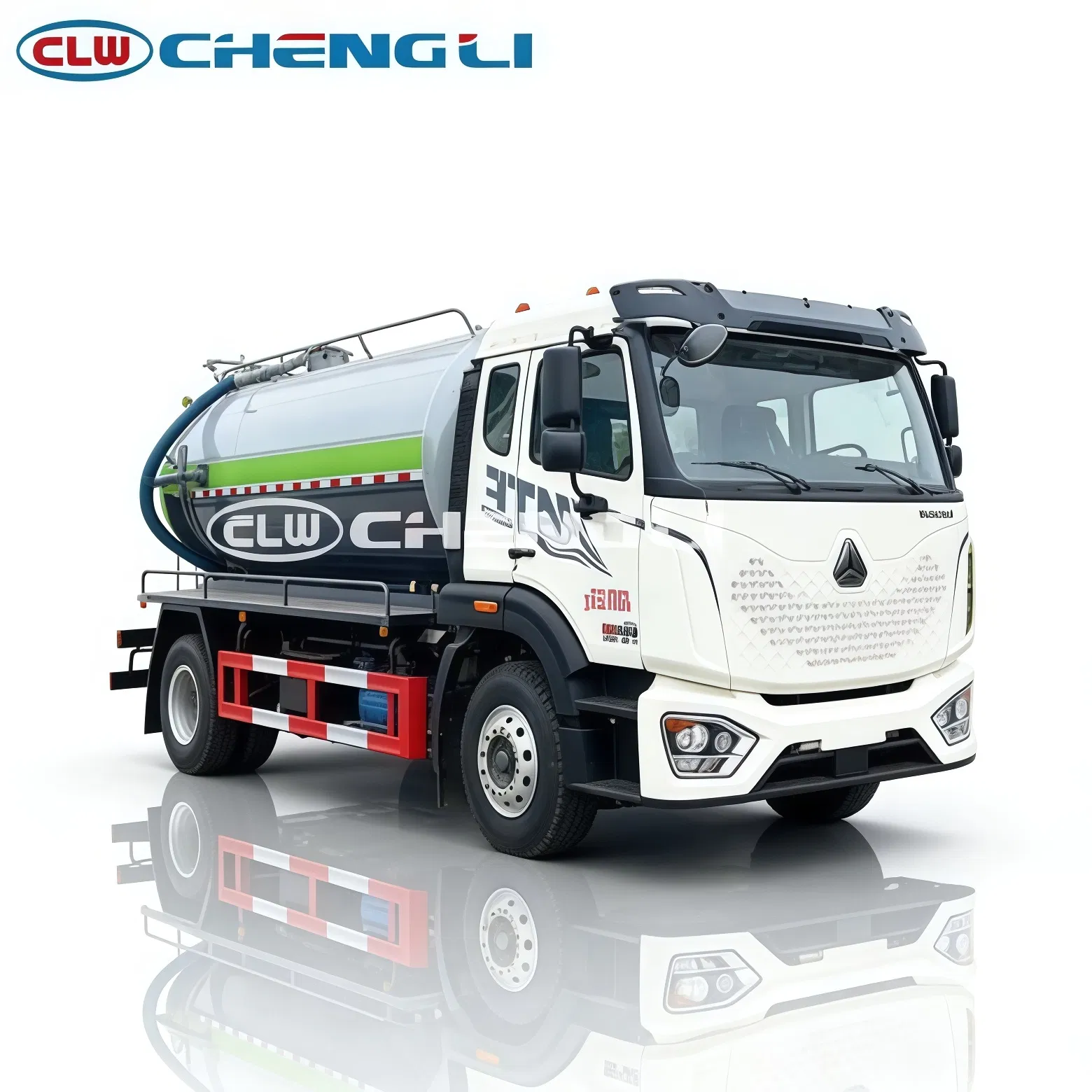
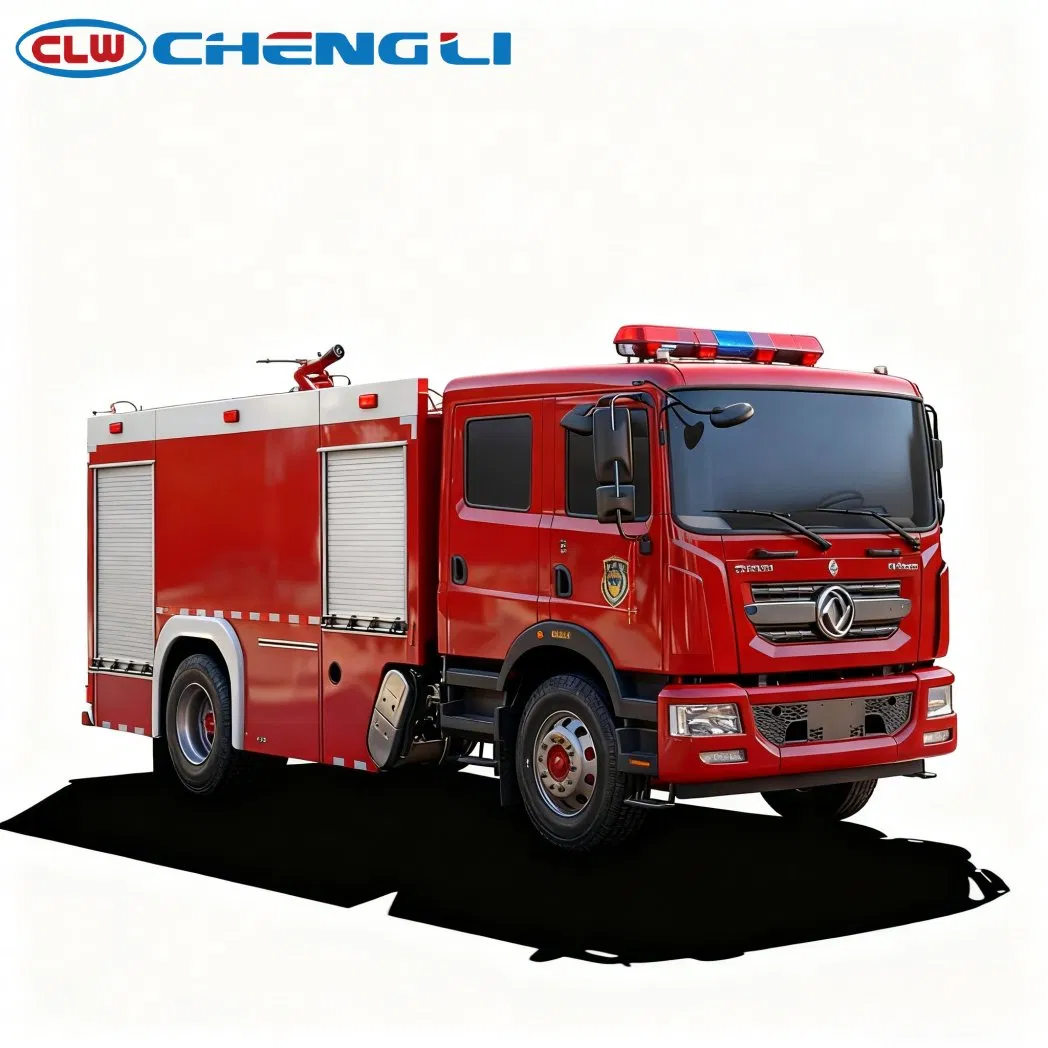
Configure LHD fuel tankers, 20,000 L water tankers, 6×4 quarry dumpers, municipal sewage units and industrial foam fire trucks built for high-ambient desert climates across the Middle East.
Steering norm
Left-Hand Drive (LHD) across GCC & Levant markets
Top demand trucks
Fuel tankers, 20,000 L water trucks, 6×4 dumpers, foam fire & vacuum units
Shipping from China
Ro-Ro, breakbulk & flat rack to Gulf & Red Sea ports
Popular trucks for Middle East fleets (USD starting prices)
Six representative LHD-capable models frequently shortlisted for Middle East fuel distribution, water supply, construction haulage, sanitation and industrial firefighting.
Fleet operators across Saudi Arabia, the UAE, Oman, Kuwait, Qatar, Iraq and Jordan rely heavily on multi-shift special purpose trucks operating across long highway corridors and harsh desert job sites. Rather than choosing a truck on volume alone, Middle East specifications prioritize thermal margin, frame strength and safety hardware.
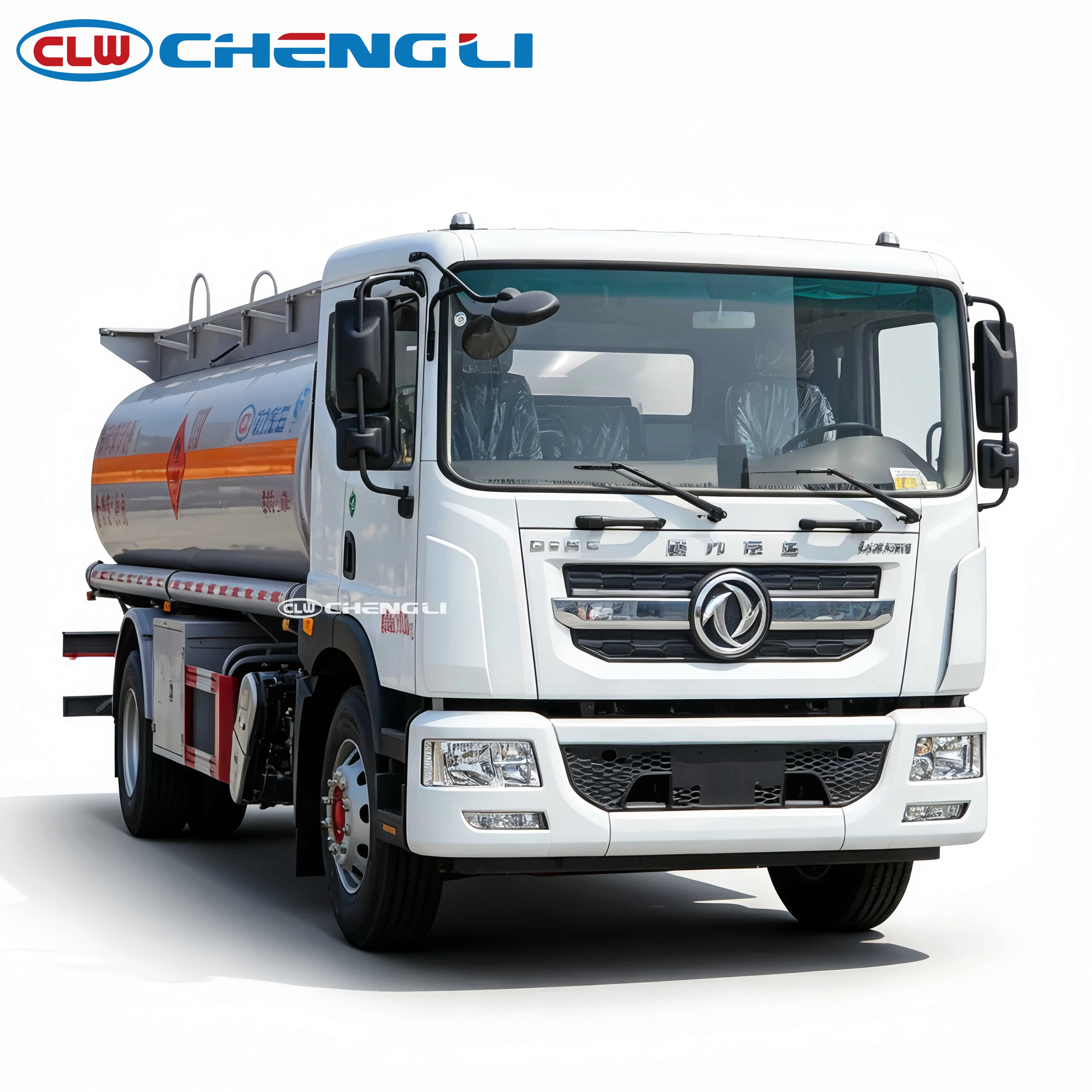
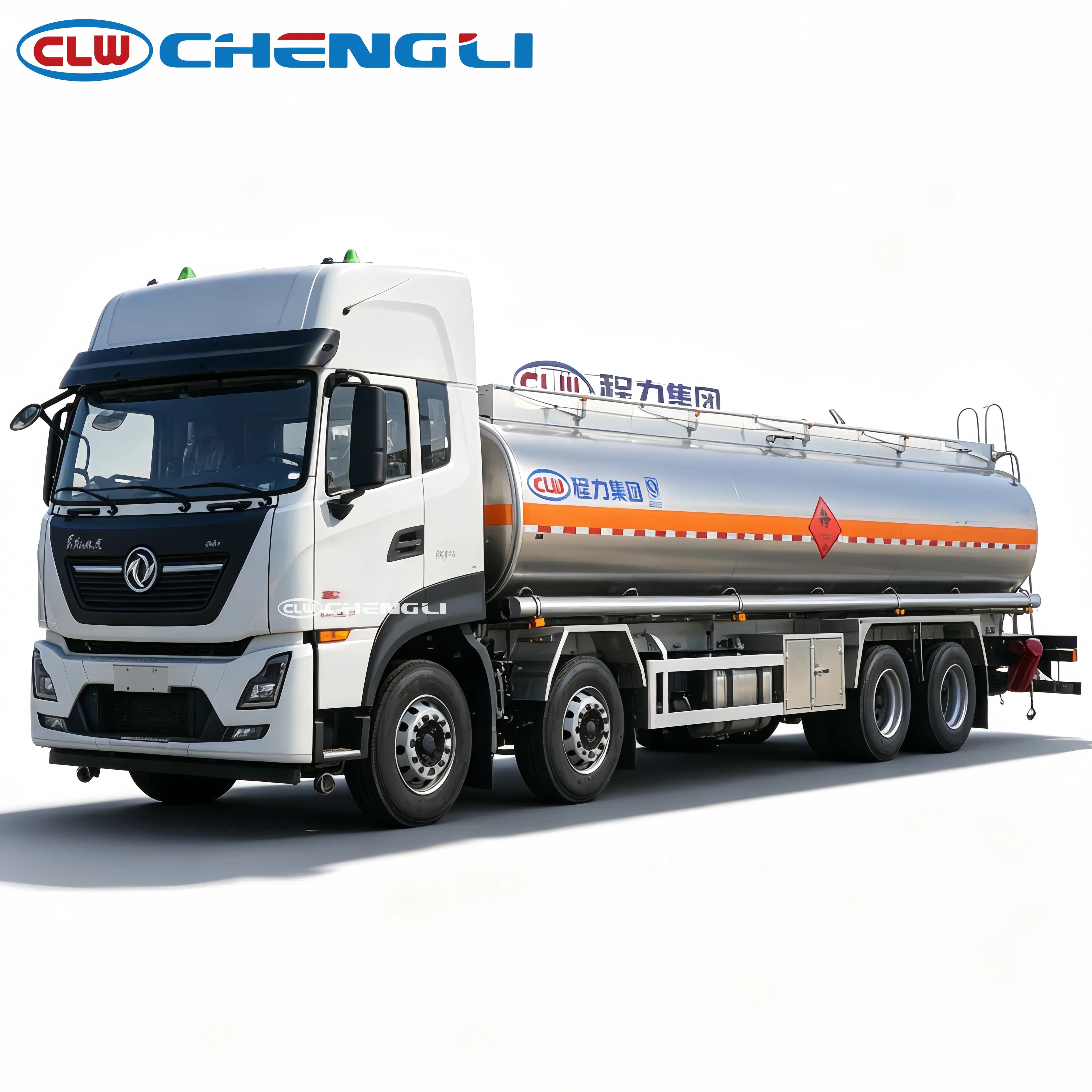
Oilfield, refinery & contractor fuel distribution: 10–15 m³ carbon-steel mobile refueling bowsers and 25–30 m³ 8×4 aluminum multi-compartment highway tankers.
Potable & construction water supply: 12–20 m³ water sprinklers and 304 stainless steel drinking-water tankers for urban parks, camps and civil sites.
Municipal sanitation & industrial drainage: 13–15 m³ vacuum sewage trucks, combined jet-vac sewer cleaners and 14–18 m³ rear-loader refuse compactors.
Quarries, ports & industrial safety: 6×4 25–40 ton mining tippers, 12-ton telescopic crane lorries and water/foam/dry-powder fire engines.
High summer temperatures (often exceeding 45°C), fine sand and strict municipal or industrial site rules require targeted specification choices before factory assembly starts:
Operating factor
Recommended specification check
Why it matters in the Middle East
Steering & cab
LHD chassis + high-capacity cab A/C + sun visor
All GCC and Levant markets operate LHD; driver fatigue increases rapidly without strong cooling
Heat & dust protection
Enlarged radiator/intercooler, oil-bath or heavy dual-stage air filter, insulated reefer panels (-18°C unit)
Prevents overheating on long climbs and protects engines on sandy work sites
Vacuum & liquid systems
Water-circulation (liquid-ring) vacuum pump; 304 stainless steel for drinking water or foam tanks
Liquid-ring pumps run cooler over long hot shifts; stainless tanks prevent brackish-water rust
Fuel & hazardous safety
Emergency bottom shut-off valve, front exhaust with spark arrestor, anti-static grounding, API bottom loading (where required)
Matches stricter depot loading and industrial site safety inspections
3. Shipping to Gulf & Red Sea ports, payment & inspection
Shipping heavy tankers, dumpers and cranes to Middle East hubs (such as Jebel Ali, Dammam, Jeddah, Sohar, Shuwaikh, Umm Qasr or Aqaba) is straightforward when overall dimensions and required customs certificates are confirmed up front.
Loading ports in China: Shanghai, Qingdao, Tianjin, Ningbo, Guangzhou, Wuhan and Lianyungang.
Vessel options: Ro-Ro (preferred for fleet orders and heavy tankers/dumpers), breakbulk, flat rack, or 40HQ container for compact units.
Incoterms: FCA, FOB, CFR, CIF, DAP or CIP quoted transparently so you can compare your own forwarder against CLW freight booking.
Payment & inspection: Standard T/T or L/C (commonly 30% deposit / 70% balance before shipment, subject to contract), with live video viewing or buyer-appointed SGS/BV inspection before dispatch. Import customs clearance and local registration remain the buyer’s responsibility—confirm local emission and conformity rules with your clearing agent before ordering.
What are typical starting prices for special purpose trucks exported to the Middle East?
Listed starting prices for models commonly shortlisted by Middle East contractors begin at USD 15,000–21,500 for 12–15 m³ water and fuel tankers, USD 19,000–31,000 for 12-ton 6×4 cranes, 6-ton foam fire engines and 25–30 ton 6×4 dumpers, and USD 68,000 for 25–30 m³ 8×4 aluminum fuel tankers. Your written quote specifies chassis emission class, cooling options and FOB/CIF port terms.
Can CLW configure trucks for 45°C+ summer temperatures and desert dust?
Yes. When you share your target country and ambient conditions, we specify larger radiators, heavy-duty cab air conditioning, dust-resistant intake filtration, and (for vacuum trucks) water-circulation liquid-ring pumps suited to sustained high temperatures.
How are trucks shipped to Gulf and Red Sea ports, and who handles customs clearance?
We quote FCA, FOB, CFR or CIF to major Gulf and Red Sea receiving ports using Ro-Ro, breakbulk or flat rack sailings from Shanghai, Qingdao, Tianjin, Ningbo or Guangzhou. Destination import customs clearance, local conformity fees and vehicle registration are handled by the buyer.
Can I inspect the finished vehicle via video or third-party agency before shipping?
Yes. Buyers can schedule a live video walkthrough of the finished truck in Suizhou, visit in person, or appoint third-party inspectors (such as SGS or BV, inspection fee normally paid by buyer) prior to balance payment and shipment.
START WITH THE TRUCK
Your next truck.<br>Let’s get specific.
Tell us what you need to move, collect or build. Our export team will help turn it into a truck specification.
CLW Export TeamUsually replies within 3 hours during working hours.09:00–22:00 · GMT+8