Key Takeaways
- Simple rule: The first number is total wheel positions (axles × 2). The second number is driven wheel positions (driven axles × 2).
- Quick payload guide: 4×2 suits 3–10 tons city work. 4×4 handles mud/sand off-road. 6×4 carries 15–30 tons. 8×4 carries 30–40+ tons.
- Steering is separate: Any axle layout (4×2, 4×4, 6×4, 8×4) can be ordered in factory LHD (left-hand drive) or RHD (right-hand drive).
- Avoid overloading: Never put a 12-ton crane or 20,000 L tank on a 4×2 chassis—upgrade to 6×4 for safe frame life and legal axle loads.
Choosing the wrong axle configuration is one of the fastest ways to overspend on a special purpose truck—or receive a vehicle that cannot legally carry its full body load or turn inside your job site. The notations 4×2, 4×4, 6×4 and 8×4 define how many wheel positions a chassis has and how many of them receive engine power. They do not indicate left-hand drive (LHD) or right-hand drive (RHD).
How to read 4×2, 4×4, 6×4 and 8×4 correctly
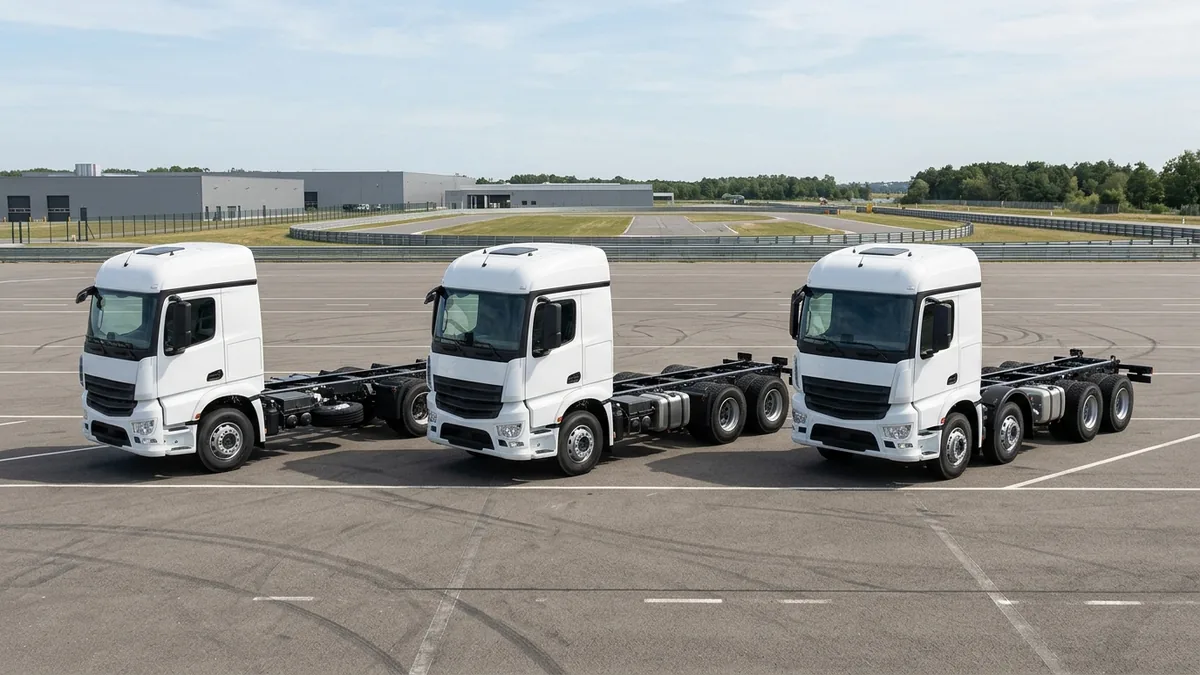
Multiply the number of axles by two to get the first figure (wheel positions), and multiply the number of driven axles by two to get the second figure. Dual tyres mounted together at one rear hub still count as one wheel position. This is why a 6×4 dump truck with twin rear tyres actually rolls on 10 tyres (2 front + 8 rear), not six.
| Axle configuration | Total axles | Driven axles | Typical CLW body & payload class | Listed CLW starting price range | Best operating fit |
|---|---|---|---|---|---|
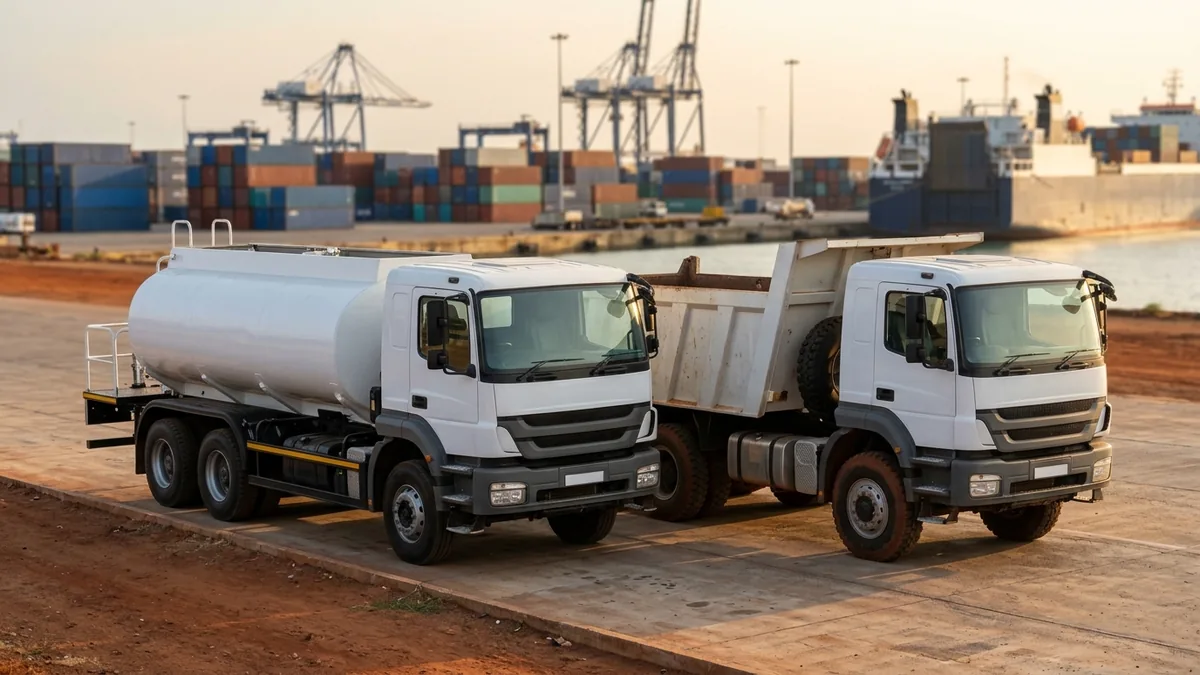
| 4×2 | 2 | 1 rear | 5–18 m³ refuse, 10–15 m³ water/fuel, 8–13 m³ sewage, 4–10 t cargo/dump | USD 6,000 – USD 32,000 | Paved city streets, narrow residential lanes, fuel & municipal distribution |
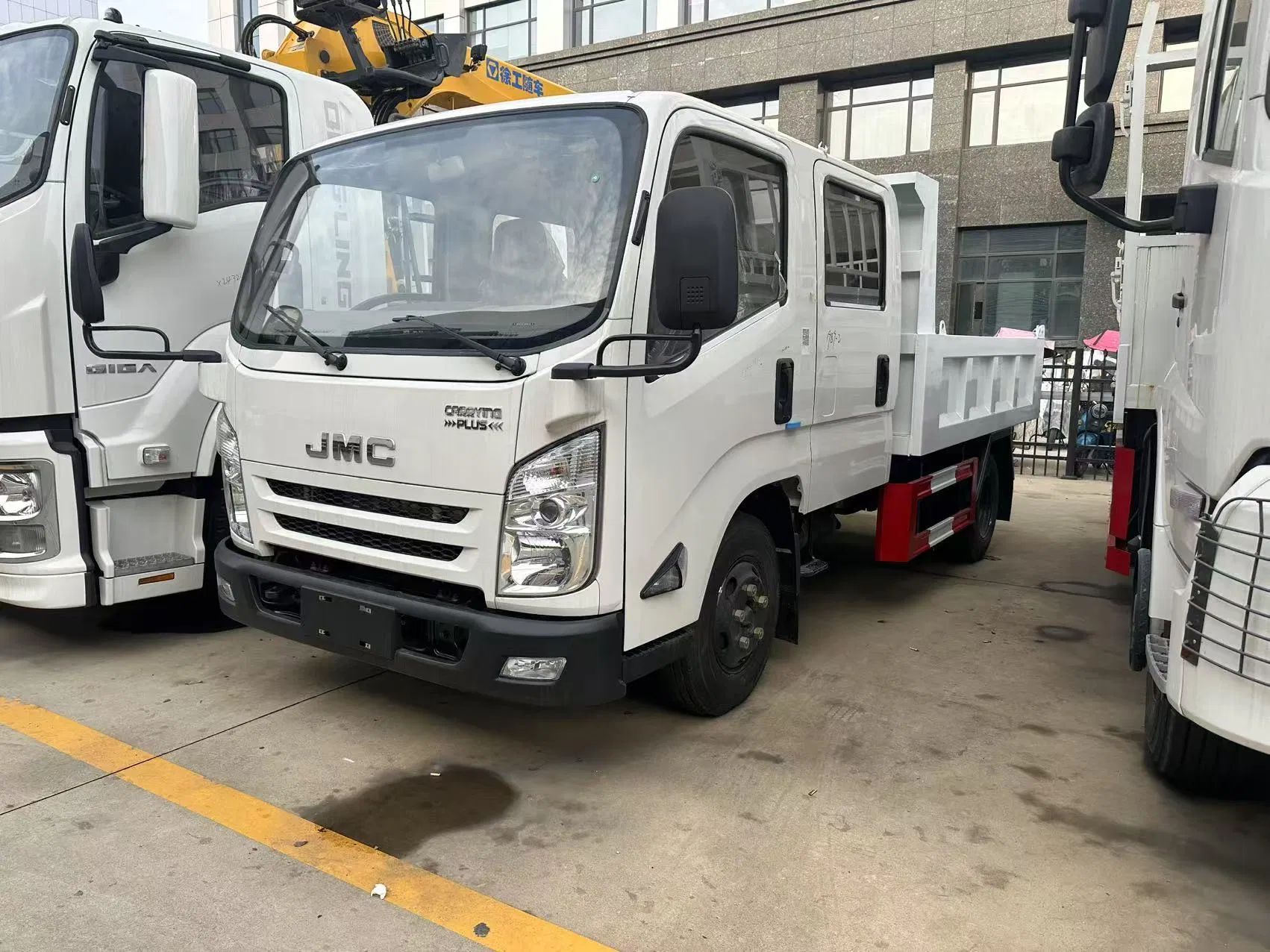
| 4×4 | 2 | 2 (front + rear) | 9 t off-road dump, 4×4 refrigerated delivery, off-road fire & ICU ambulances | USD 12,000 – USD 49,000 | Unpaved rural tracks, mud, sand, steep grades, remote mine or utility access |
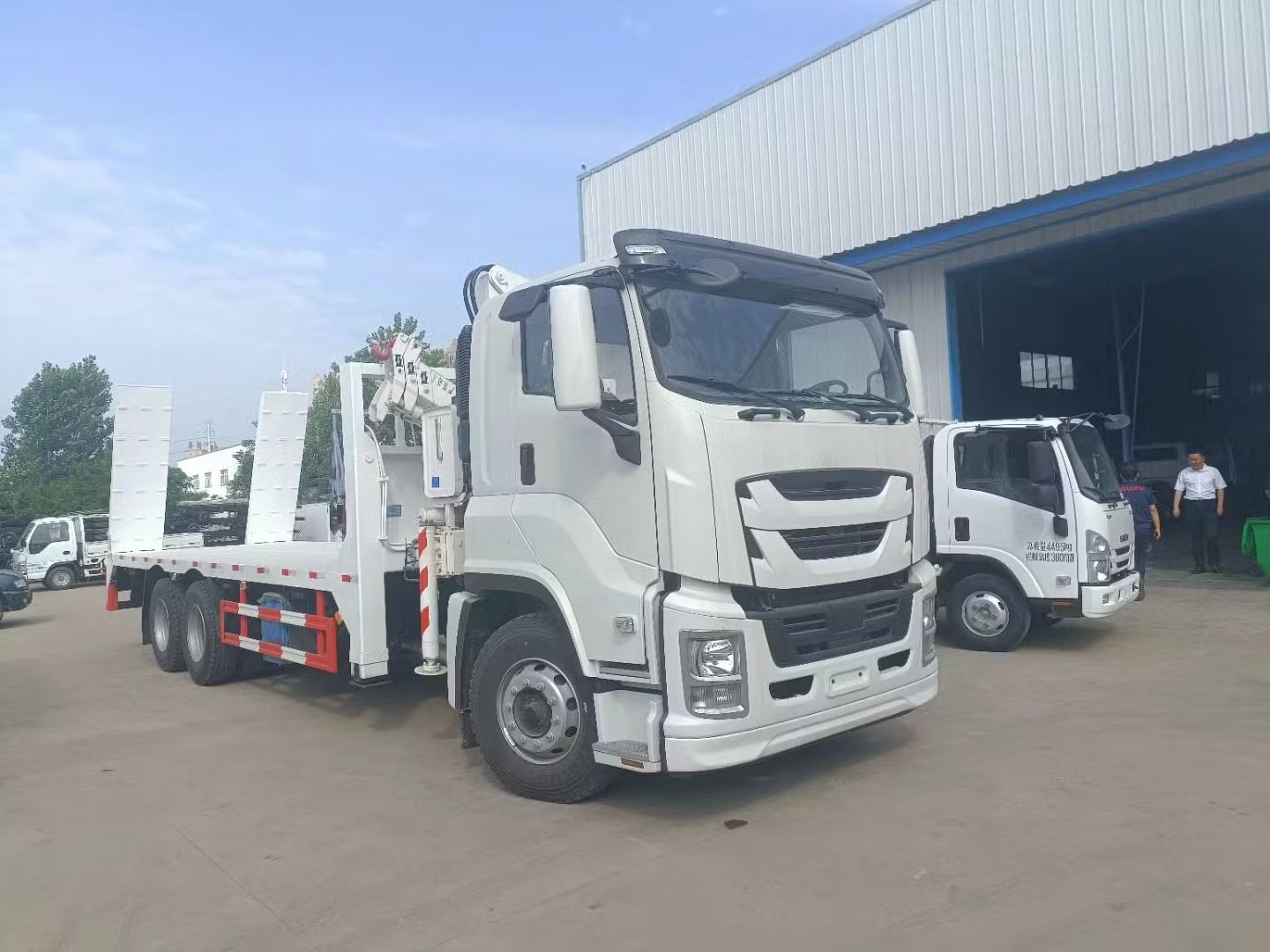
| 6×4 | 3 | 2 rear tandem | 20,000 L water tanker, 25–40 t mining dump, 12 t boom crane, 15–26 m³ refuse | USD 12,000 – USD 68,000 | Heavy construction, quarries, regional haulage, high-capacity municipal fleets |
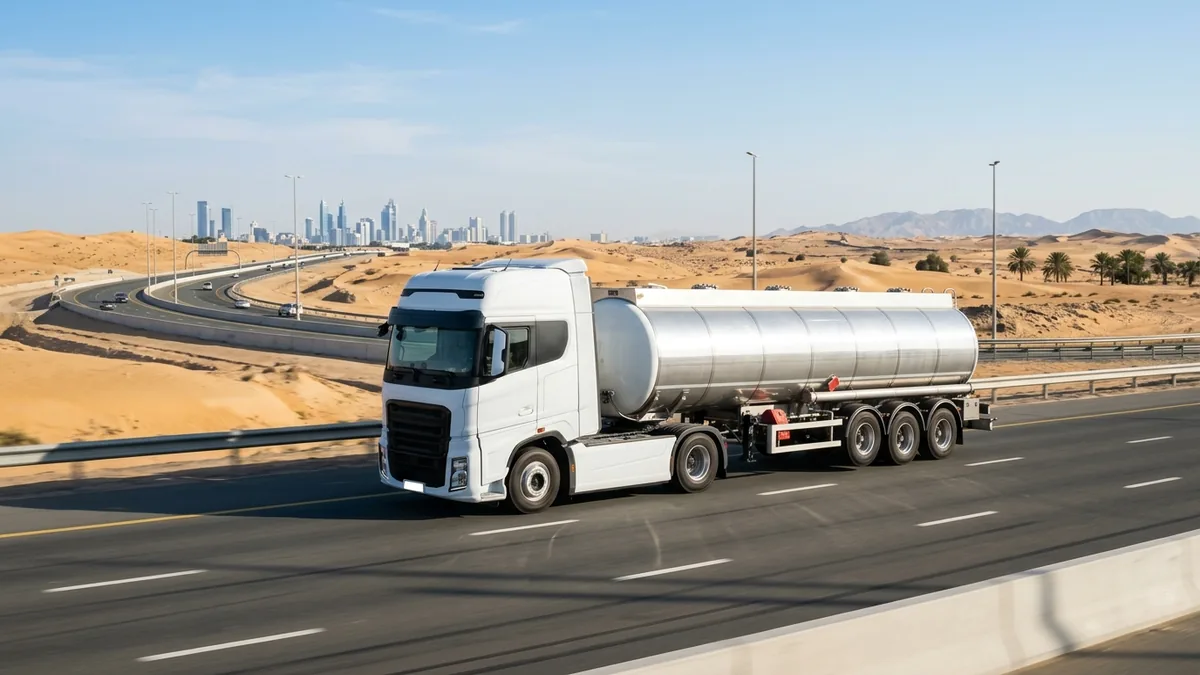
| 8×4 | 4 | 2 rear tandem | 25–30 m³ aluminum fuel tanker, 21–30 t tipper, 14–25 t crane & heavy wreckers | USD 19,000 – USD 68,000 | High-volume highway & trunk-route bulk transport where axle-load limits apply |
Real CLW models compared by axle configuration
Instead of picking an axle count in the abstract, compare real completed export models across our range:
| Layout | Listed CLW model | Key capacity | Listed starting price | Next step |
|---|---|---|---|---|
| 4×2 | Dongfeng 14 cbm 4×2 Rear Loader Garbage Compactor Truck | 14 m³ body | From USD 27,000 | Review & quote |
| 4×2 | Dongfeng D9 15 cbm 4×2 Diesel Fuel Tanker Truck | 15 m³ tank | From USD 21,500 | Review & quote |
| 4×4 | 9 Ton 4×4 Dump Truck for Construction Haulage | 9 ton payload | From USD 31,000 | Review & quote |
| 6×4 | 25–30 Ton 6×4 Dump Truck for Mining Haulage | 25–30 ton payload | From USD 31,000 | Review & quote |
| 6×4 | 12 Ton 6×4 Truck-Mounted Boom Crane | 12 ton lifting | From USD 19,000 | Review & quote |
| 8×4 | Dongfeng KL 25–30 cbm 8×4 Aluminum Fuel Tanker Truck | 25–30 m³ aluminum tank | From USD 68,000 | Review & quote |
4×2 vs. 6×4 vs. 8×4 Axle Layout, GVW & Payload Capacity
Why more axles do not automatically equal usable payload
A common buying mistake is choosing 4×2 to save upfront cost, then mounting a heavy working superstructure—such as a 12-ton telescopic crane, a full-steel mining dump box, or a 20,000 L liquid tank—that pushes the rear axle over its legal or mechanical limit. Always check three numbers together on the completed vehicle specification:
- Completed curb weight (tare weight): Chassis weight plus the actual tank, compactor hopper, insulated box, crane, subframe and hydraulic oil.
- Cargo density: 10 m³ of diesel weighs roughly 8.3–8.5 metric tons; 10 m³ of water weighs 10 metric tons; 10 m³ of wet quarry aggregate can exceed 16 metric tons.
- Local axle-load & bridge limits: Many countries cap single-rear-axle loads around 10–13 tons, requiring a 6×4 tandem or 8×4 chassis to stay road-legal at higher volumes.
When 4×2 beats 6×4 or 8×4 (and when it fails)
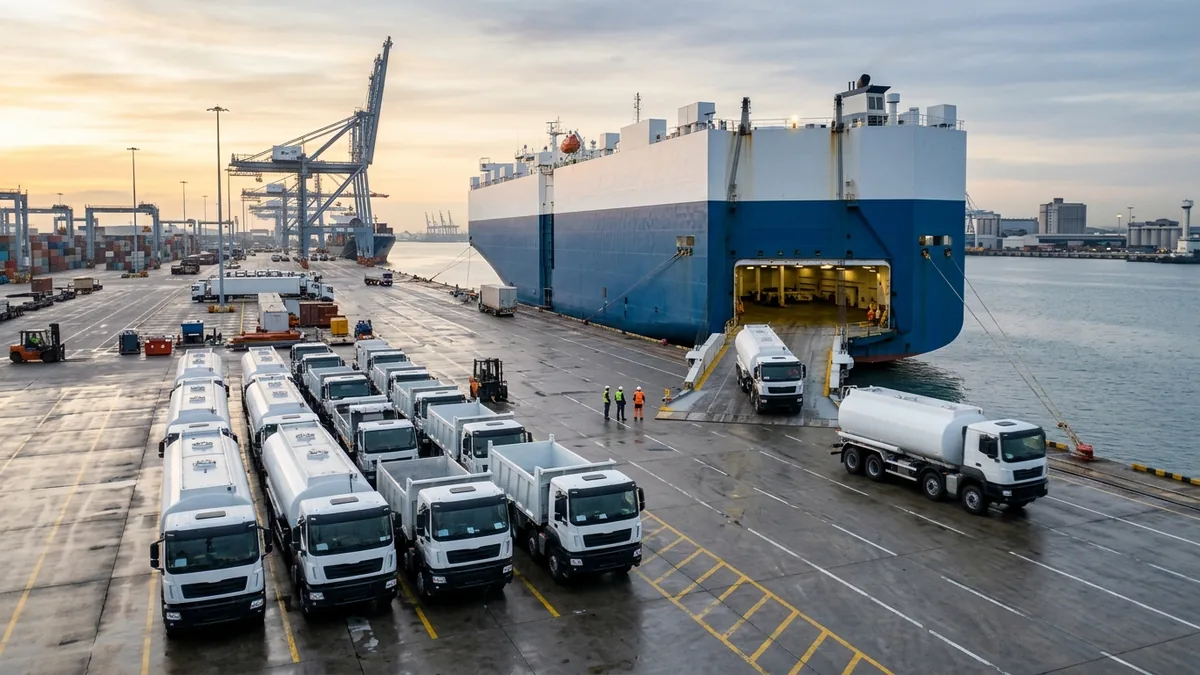
Every extra axle adds wheelbase length, turning radius, tyre replacement cost, tare weight and ocean freight volume (especially when shipping by flat rack, breakbulk or Ro-Ro drive-on vehicle ship).
- Choose 4×2 when your route runs through tight city streets, narrow market alleys, hotel compounds or short municipal loops where manoeuvrability matters more than bulk volume.
- Choose 4×4 when traction on unpaved roads, mud, soft sand or steep rural gradients is essential, and payload stays in the light-to-medium range (such as a 9-ton tipper, food-delivery reefer or mountain rescue ambulance).
- Choose 6×4 when you haul heavy loads (15–30+ tons), operate in quarries/construction sites with uneven ground, or mount 12-ton+ cranes and 20,000 L+ tankers.
- Choose 8×4 when you move maximum legal volume on longer highway/trunk routes—such as 25–30 m³ aluminum fuel distribution or heavy-lift crane & cargo combinations—and have wide turning aprons at loading and unloading terminals.
Keep axle configuration separate from LHD / RHD steering
In technical quotations, axle configuration (4×2, 6×4, 8×4) and steering-wheel position (LHD or RHD) are two completely independent lines. Writing "6×4" never tells the factory which side the steering wheel sits on.
Equally important is the operator working side. On a vacuum sewage truck, water sprinkler, fuel dispenser tanker or rear-loader garbage compactor, confirm where valves, hose reels, hydraulic levers and crew steps should sit relative to the kerb and traffic flow in your destination country. Read our RHD & LHD Truck Selection Guide for a full regional breakdown.
Five details to send for an accurate chassis & price match
Include these five lines in the quotation form below or on WhatsApp so our export engineers can shortlist exact models and confirm pricing within 3 working hours:
- Truck type & reference model: e.g. 6×4 mining dump truck or 15 m³ fuel tanker (attach any product URL from our 400-truck Price List).
- Cargo / material & target load per trip: Volume in m³/liters or weight in metric tons.
- Route & road conditions: Paved city streets, highway, steep grades, unpaved mine/quarry, plus tightest turning restriction.
- Steering & compliance: LHD or RHD, destination country, and local emission standard required for registration.
- Quantity & destination port: Single unit or fleet quantity, plus preferred port for FOB (price loaded at China port), CFR (price plus sea freight to your port) or CIF (price with sea freight & insurance to your port) comparison.
Frequently asked questions
Does 6×4 mean the truck has 6 tyres?
No. The "6" represents six wheel positions across three axles. Because the two rear driven axles normally carry twin (dual) tyres on each side, a standard 6×4 truck rolls on 10 tyres on the road (2 front steer tyres + 8 rear drive tyres), plus a spare.
Can CLW build 4×2, 6×4 and 8×4 trucks in both LHD and RHD?
Yes. Factory LHD and RHD builds are available across Dongfeng, Sinotruk HOWO, Shacman, FAW, Foton and Isuzu-series platforms. Tell us your destination country and preferred chassis so our engineers confirm stock and build lead time in your written quote.
How does axle configuration affect ocean shipping cost?
Longer 6×4 and 8×4 chassis occupy more cubic meters (CBM) on Ro-Ro and breakbulk vessels and often ship via flat rack or Ro-Ro instead of a 40HQ container. Share your destination port and we will quote FOB alongside CFR and CIF options side by side.
Can I inspect the completed chassis and body before final payment?
Yes. You can book a complimentary live video inspection in Suizhou, visit our plant in person, or appoint independent SGS / Bureau Veritas (BV) inspectors prior to releasing final balance.
Ready to compare live specifications? Open the 400-truck price list, inspect the 25–30 ton 6×4 dump truck in the quote tool, or send your requirements in the form below.