Key Takeaways
- Chiller vs. freezer: Fresh fruit/veg needs 0°C to +5°C. Frozen meat, fish, and ice cream require a -18°C freezer unit and thicker walls.
- Typical starting price: Listed reefers start at USD 8,000 (mini urban), USD 12,000–14,800 (2T–4×4), and USD 16,800–27,000 (heavy intercity).
- Hot-climate rule: In 40°C+ summer heat or with frequent delivery stops, choose 80–100 mm polyurethane insulation and PVC strip curtains.
- Smart upgrade: Ask for a -18°C unit even for chilled goods—it cools faster after door openings and holds higher resale value.
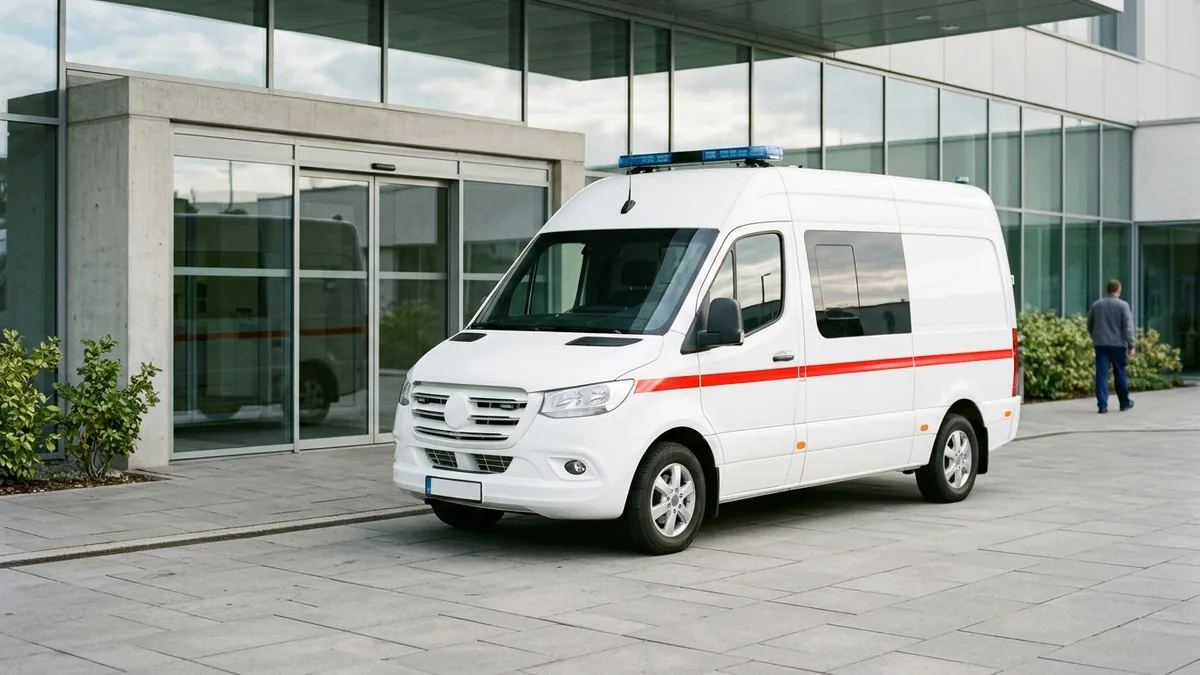
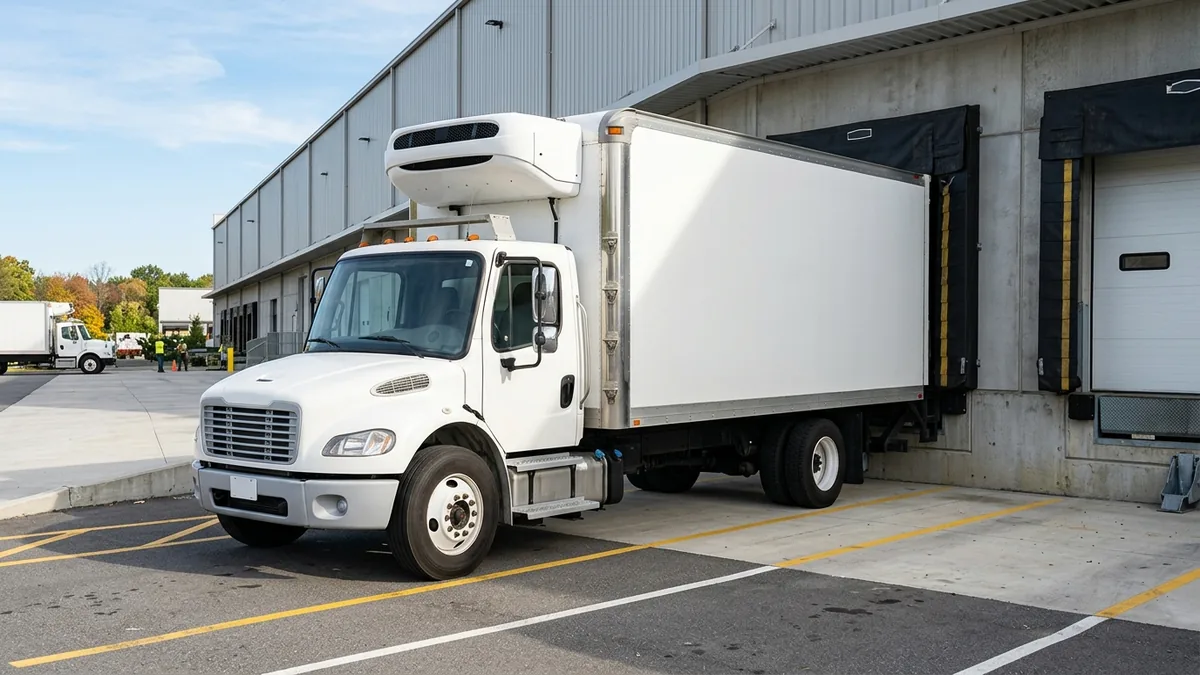
A refrigerated truck is a thermal system, not just a cargo box with a cooling unit bolted on top. If the box insulation is too thin for your ambient temperature, or the refrigeration unit cannot recover after frequent urban door openings, cargo spoils regardless of engine horsepower. Choosing the right cold-chain truck starts with cargo temperature, usable internal dimensions, pallet weight and stop frequency.
Step 1: Define cargo temperature zone & ambient heat load
Refrigeration sizing depends on the gap between outside ambient temperature and target box temperature, plus how often doors open per shift:
| Temperature class | Typical cargo | Key body & unit priorities | Route duty notes |
|---|---|---|---|
| Chilled (+2°C to +8°C) | Fresh produce, dairy, beverages, chilled pharmaceuticals | Accurate thermostat control, uniform air circulation, strip curtains for multi-stop routes | High door-opening frequency in city distribution requires quick temperature recovery |
| Fresh / Meat (0°C to +5°C) | Chilled meat, poultry, fresh seafood | Reinforced floor with drainage, optional meat-rail hooks, hygienic FRP/stainless interior walls | Always specify hanging load vs floor pallet load so roof structure is reinforced |
| Deep Frozen (-18°C to -20°C) | Frozen seafood, ice cream, frozen meat & bakery | Thicker polyurethane foam insulation, heavy-duty door seals, higher-capacity freezer unit | Remember: truck units maintain pre-cooled cargo temperature rather than blast-freezing warm loads |
Step 2: Compare CLW refrigerated truck classes & starting prices
Select a chassis and box size that matches both your usable pallet count and your delivery roads:
| Duty tier | Listed CLW model | Chassis / drive | Listed starting price | Best application |
|---|---|---|---|---|
| Compact Urban | Compact Refrigerated Cargo Truck for Urban Delivery | Compact 4×2 | From USD 8,000 (Quote) | Inner-city grocery, bakery, pharmacy and restaurant delivery |
| Light Cold-Chain (2 t) | 2-Ton Refrigerated Van Freezer Truck | Foton / Shacman / HOWO | From USD 12,000 (Quote) | Supermarket replenishment & daily regional chilled/frozen drops |
| All-Terrain 4×4 | Dongfeng 4×4 Refrigerated Truck for Food Delivery | Dongfeng 4×4 | From USD 14,800 (Quote) | Rural distribution, remote camps, mine/oilfield catering on unpaved roads |
| All-Terrain 4×4 (HOWO) | HOWO 4×4 Refrigerated Box Truck | HOWO 4×4 | From USD 14,800 (Quote) | Rough-road food distribution requiring high ground clearance |
| Urban Transit Van (RHD/LHD) | JMC Euro 6 Diesel Refrigerated Transit Van | JMC (RHD / LHD) | From USD 14,800 (Quote) | Tight city lanes, quick side/rear kerbside unloading |
| Heavy Intercity (10 t+) | 4×2 10-Ton Food Refrigerated Truck | 4×2 Heavy Box | From USD 16,800 (Quote) | Intercity wholesale cold chain and hub-to-hub palletized haulage |
Step 3: Check usable internal space, airflow & real payload
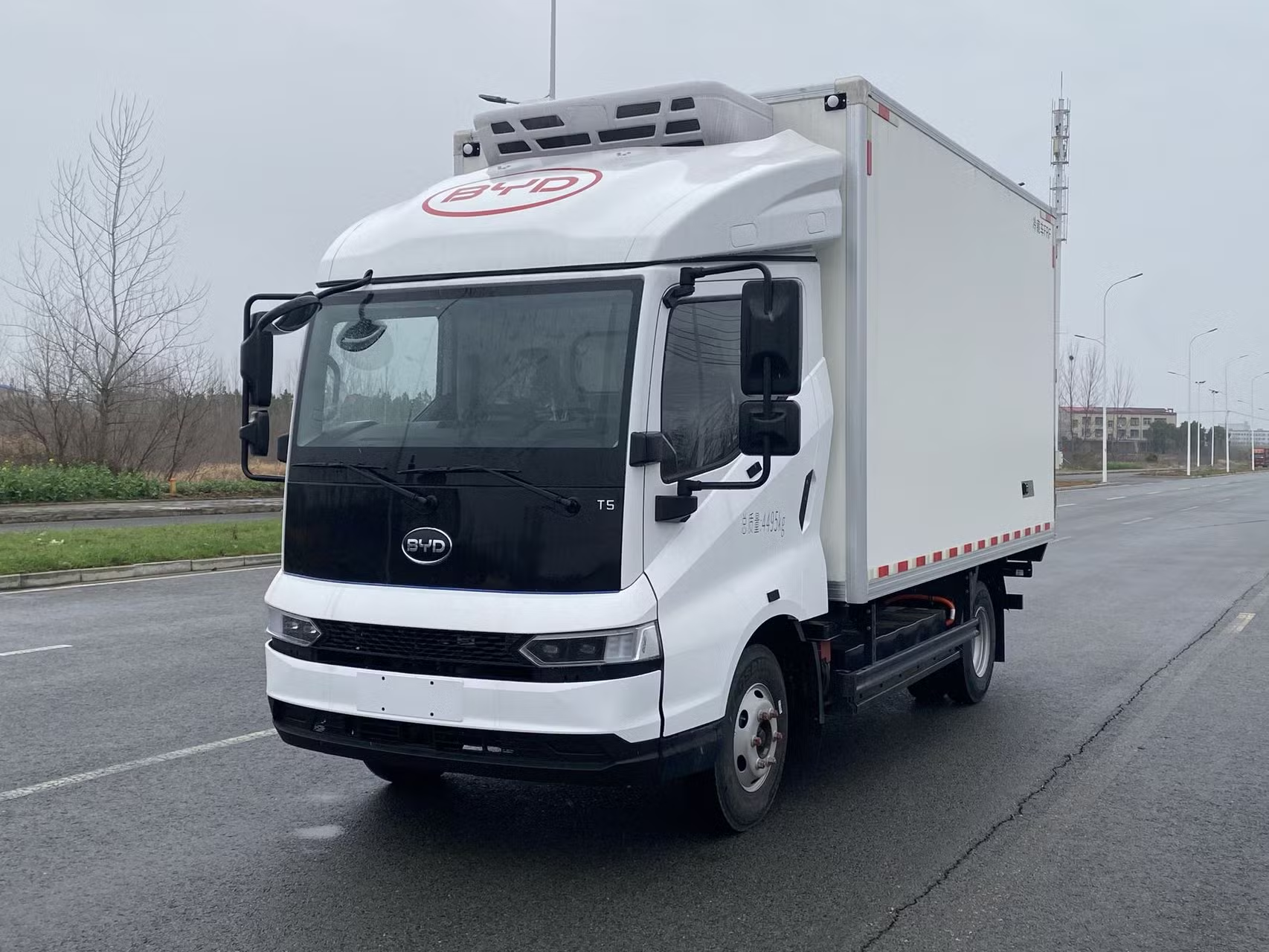
External box length is not usable loading length. Insulation thickness (commonly 80–100 mm), evaporator blower overhang, wall kick-plates and rear door frames all subtract from interior space. Before ordering, confirm:
- Clear internal dimensions & door opening: Send your exact pallet or crate footprint (e.g., 1,200 × 1,000 mm or 1,200 × 800 mm), stacking height and how many units must load per trip.
- Airflow clearance: Leave space between cargo tops and the evaporator discharge, and consider T-channel aluminum ventilation floors so cold air circulates underneath dense boxes.
- Payload vs box volume: Add the weight of cargo, pallets, plastic crates, tail lift (if fitted) and insulated box. Compare total mass against the completed truck's legal payload rating.
Step 4: Specify the right cold-chain options up front
Listing functional accessories in your first enquiry avoids costly retrofits after the insulated panels are bonded:
- Cooling unit power: Engine-driven (direct drive) units are standard for light/medium trucks; independent diesel units or electric standby plug-ins (220V/380V) suit overnight depot staging and long ferry crossings.
- Multi-stop thermal protection: Add PVC strip curtains on rear/side doors, optional kerbside side doors (matched to LHD left-hand drive or RHD right-hand drive traffic side), and movable insulated partition walls for dual-temperature loads.
- Interior & monitoring hardware: Specify aluminum anti-slip or T-slot floor, interior LED lighting, drain plugs, temperature recorder/printer, or meat-hanging rails if needed.
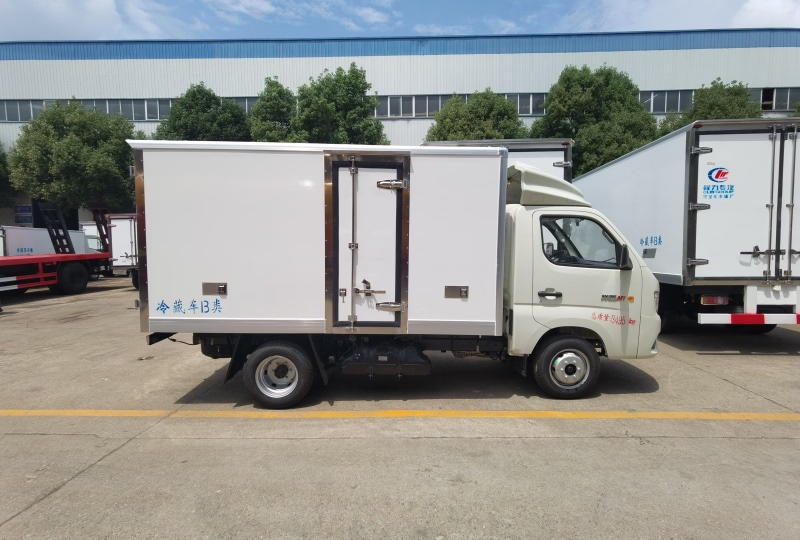
Step 5: Pre-shipment inspection checklist (live video or SGS/BV)
- Pull-down test: Run the refrigeration unit on video and verify cab controller display, set-point reach and evaporator airflow.
- Door seals & light-leak test: Inspect multi-lip rubber gaskets, stainless cam locks and panel joints for tight closure.
- Usable measurements: Measure interior L × W × H and clear rear/side door openings with a tape on camera.
- Chassis, steering & documents: Confirm LHD/RHD cab, VIN plate, refrigeration unit nameplate and English manuals.
Frequently asked questions
What is the starting price of a CLW refrigerated truck?
Listed starting prices in our 38-model refrigerated range begin at USD 8,000 for compact urban delivery trucks. Typical pricing is USD 12,000–14,800 for 2-ton, transit van and 4×4 food-delivery models, and USD 16,800–27,000 for larger heavy-duty intercity reefers. Final quotes reflect your target temperature (-5°C vs -18°C), cooling unit brand, chassis emission class, LHD/RHD and trade term.
Should I choose a -5°C chiller or a -18°C freezer unit?
If you ever plan to haul frozen meat, seafood or ice cream—or operate in hot 40°C+ ambient climates with frequent door openings—specify a -18°C freezer-rated unit and thicker insulation. A -18°C system can always run at +4°C for fresh produce, whereas a chiller unit cannot hold deep-frozen cargo.
Can CLW supply RHD refrigerated trucks?
Yes, several chassis options in our catalog (including JMC, Dongfeng, Foton and HOWO export platforms) can be configured for RHD or LHD markets. Always state your country and steering requirement together with your preferred side-door side.
How are refrigerated trucks shipped internationally?
Compact reefers can often ship inside 40HQ containers depending on overall height. Medium and large refrigerated trucks ship via flat rack, breakbulk or Ro-Ro (drive-on vehicle ship) vessels from major Chinese ports (Shanghai, Qingdao, Tianjin, Ningbo, Guangzhou, Wuhan or Lianyungang). We quote FOB (price loaded at China port), CFR (price plus sea freight to your port) or CIF (price with sea freight & insurance to your port) to your named port.
Explore all 38 models on our Refrigerated Trucks catalog, open the Dongfeng 4×4 model in the quotation tool, or send your cargo temperature and box dimensions in the form below.